




 Whether or not you know the terminology, you can often tell if you've walked into a specialty coffee shop before you've even reached the counter.
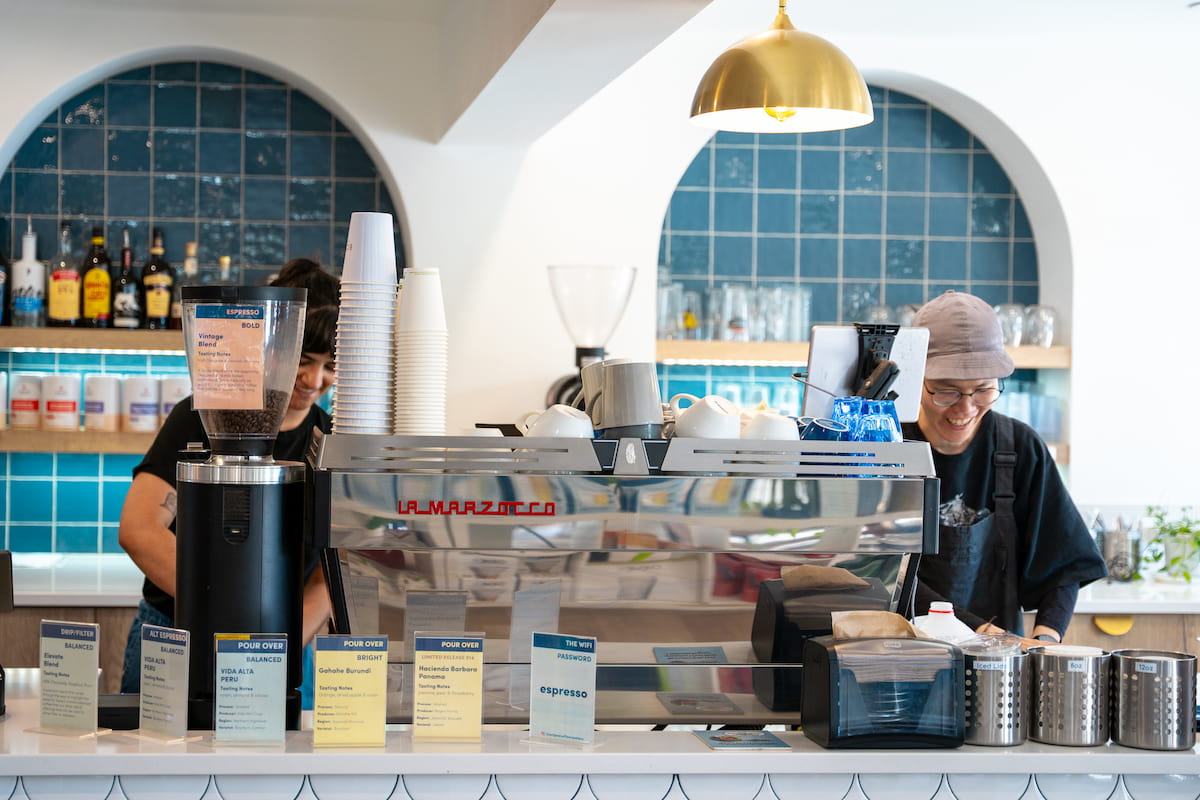
In one café, you scan the menu board and suddenly you're reading words like "washed process," "single-origin Ethiopia," "V60 pour-over," and "SCA-scored micro-lot." You can hear an espresso grinder whirring and the steamed milk gently hissing (not screaming) at the hands of the barista. Bags of roasted beans line the shelves, each labelled with a roast date and tasting notes.
In another, you're greeted with a familiar menu, plenty of room for customization, and sizes ranging from medium to "please-don't-ask."
For a second, standing in the first one, you wonder if you've accidentally wandered into a chemistry lab, when you just wanted a really good cup of coffee.
The confusion is completely understandable. But that language on the menu board is meant to connect you more closely with how the coffee was grown, processed, roasted, and brewed.
So, which one is the specialty coffee shop? And why does it matter?
What You'll Notice When You Walk In to a Specialty Coffee Shop
The answer to the last question is the first café. And the signs are actually much more telling than the words and terminology you might notice at first glance.
Let's start with the first place your eyes probably go: the menu. Specialty cafés tend to offer smaller sizes than conventional spots and chains. For example, our largest size is a 12oz drink at Eclipse. If you ever see a 20oz latte on a menu, it's extremely unlikely to be a specialty coffee shop.
Our menu takes it a step further: rather than listing a cappuccino as a single item, we break it down to "espresso with milk" and let you choose the size. It's a small thing, but it reflects how seriously we take our customers' preferences for the ratio of milk to espresso they want in their cup of coffee. For us, it's about letting the espresso shine, not sending you off with a copy and paste cappuccino or latte.
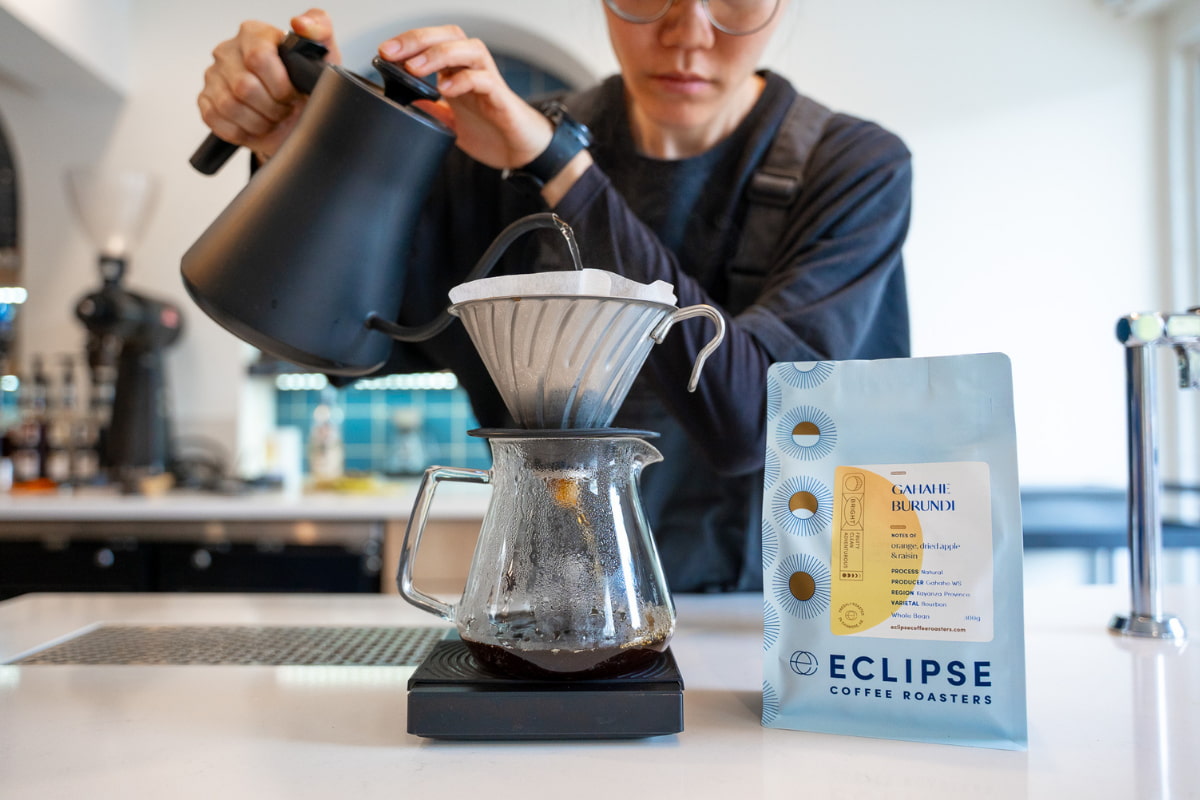
You'll also find in-depth information on the beans themselves, including the origin, process, producer, varietal, and tasting notes. You're looking for more than just a label that says "medium roast." A simple rule: the more specific the menu language, the stronger the sourcing behind it.
Retail bean bags will be labelled with a roast date, always within the last four weeks for the best flavour and freshness.
Additionally, most specialty coffee shops have at least two different types of espresso beans for you to choose from. Here at Eclipse, we offer our classic Vintage Blend alongside a rotating Alternative Espresso. And the baristas behind the counter should be able to answer all of your burning coffee questions…without burning your coffee.
How to Spot a Specialty Café: The Checklist
Walking into an unfamiliar café doesn't have to be a guessing game. A genuinely specialty coffee shop will typically show most or all of the following:
- Coffee origin listed?Check.
- Tasting notes on menu? Check.
- Roast date on bean bags? Check.
- At least 2 espresso options? Check.
- Baristas who can tell you about the coffees and brewing methods? Check.
- 12 oz latte? Check
- 20 oz latte?...Probably not.
The word "specialty" isn't regulated, which means any café can use it without meeting the SCA's 80-point threshold or any other quality standard.
A few red flags you can look for: no origin information anywhere on the menu, a lineup that's mostly syrups with coffee as an afterthought, baristas who can't name where the beans are from, and no roast dates on packaged beans.
None of this makes a café bad. It just means you're probably not in a genuine specialty shop, whatever the signage says. Knowing the difference helps you spend your money where it actually goes toward something exceptional.
What Is a Specialty Coffee Shop? The SCA Standard Explained
The term "specialty coffee" gets used a lot, so let's get specific about what it actually means, and how this applies at the coffee shop level.
The Specialty Coffee Association is a leading organization in the coffee world that defines 'specialty' as any coffee scoring 80 points or higher on its 100-point cupping scale. This is a two-part standard that evaluates both taste and physical bean quality. That's the baseline. But what a specialty coffee shop does with that standard, from sourcing to brewing to the experience behind the counter, is what sets the best ones apart. Learn more about the SCA standard and what specialty coffee actually means.

The Standard Behind the Counter at a Specialty Coffee Shop
A specialty coffee shop is defined by what happens behind the scenes, just as much as what you see at first glance upon entering the café.
A specialty café that sources outstanding beans and then brews them carelessly is wasting most of its investment. The brewing method and the precision behind it are the final piece of the quality chain.
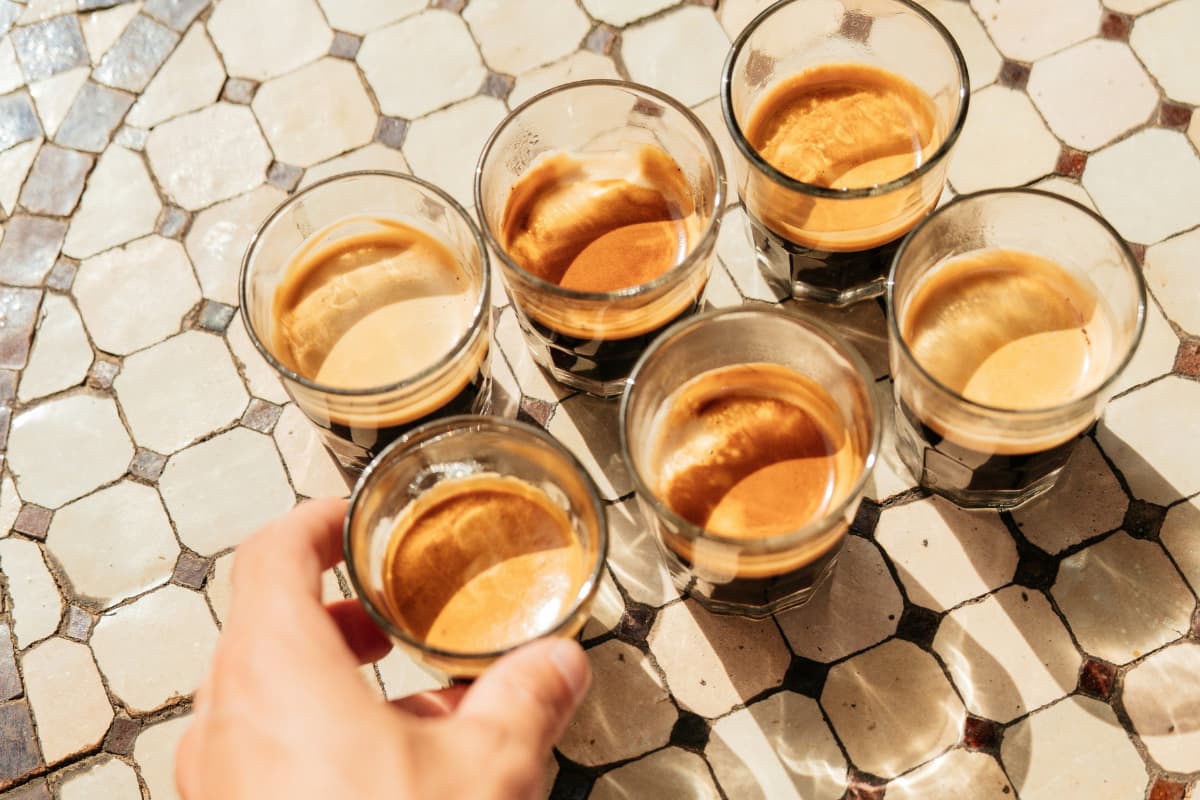
Espresso is the precision-driven method at the center of most café menus. Tight control over grind size, dose, yield, and extraction time produces a concentrated, complex shot. Pour-over methods like the V60, Kalita Wave, and Chemex are the tools specialty shops use to highlight clarity and origin character in single-origin coffees, slower and more hands-on by design, because that control is what lets the coffee's natural flavors come through without interference. Batch brew, when a barista programs it carefully with the right recipe and a calibrated grinder, is a sign of professionalism, not a shortcut.
Barista Skill and Equipment
Even the tastiest beans can become a sour or bitter cup without a professional barista at the helm. Specialty coffee shops need highly skilled and trained baristas, who are experts in grinding, dosing, extraction, milk preparation, and brewing. Every piece of equipment also needs to be diligently cared for in order to ensure consistent and high quality brews.
Roasting, Freshness, and Bean Standards
Not every specialty coffee shop roasts its own beans, but all have a relationship with a specialty roaster and an understanding of roast types, freshness, and SCA standards. At Eclipse, we roast all of our own beans at our Railway location.
Specialty cafés pay close attention to roast dates, making sure to always use or sell beans within four weeks of roasting. They also choose their beans carefully based on sourcing and tasting notes.
Upholding high standards behind the counter really comes down to a well-balanced combination of the feeling you get, the quality of the coffee, and, not to mention, much of what you see and taste is a result of what happens behind the scenes.
Transparent Sourcing and Roasting
A specialty coffee shop is defined by what happens behind the scenes, just as much as what you see at first glance upon entering the café. Specialty coffee, and the broader third wave coffee movement it grew from, is built on transparency. This means knowing where the beans came from, who grew them, and how they were processed.
Specialty cafés display this information openly: country, region, producer, processing method. Usually, the more detail available on the origin, the stronger the sourcing behind it.
Strong traceability on a specialty menu looks like this: "Colombia, Huila, El Paraíso Farm, Washed Caturra." Weaker traceability looks like this: "premium single-origin blend." Both can appear in shops that call themselves specialty cafés, but only one tells you where the coffee actually came from.
If you want to go deeper on what ethical sourcing actually means, we wrote about it here.
Why Choosing a Specialty Café Matters
We've all heard the expression: "you vote with your dollar." This is just as true with coffee as it is in the grocery store.
Your purchasing decisions have real impacts on real people. And we're not just talking about your favourite barista! Every cup of coffee is a testament to an international supply chain that, at its best, nurtures collaboration and social responsibility.
Specialty coffee is a different way of doing business. It values traceability and relationships, as well as quality. Because of this, specialty cafés and roasters tend to build close relationships with the people and businesses responsible for bringing coffee from farm to cup. We care about our partners and collaborators, and take steps to make sure they're paid well and fairly.
This means that your daily coffee order directly affects coffee producers on the other side of the world.
For Canadian coffee drinkers, choosing a specialty coffee shop means choosing a supply chain that works differently.
You're supporting farmers, producers, and importers, just as much as you're supporting the café!
Pretty cool, eh?

So, What Does That Mean for Eclipse as a Specialty Coffee Shop?
At Eclipse, specialty coffee is a commitment to doing things with intention. We carefully screen producers, pay above market price, and select beans we believe our customers will love because we understand the impact of those decisions. Just as we have a responsibility to our customers, we also feel a deep responsibility to the incredible producers who make our work possible.
We're proud to be a specialty coffee shop in Canmore, but the label itself isn't what matters most. It's the standards and relationships behind every cup.
FAQ: Your Specialty Coffee Questions Answered
Does every café that says "specialty" actually serve specialty grade coffee?
Not necessarily. "Specialty" isn't a universal certification for cafés, so it's worth looking beyond the label at how a café sources, roasts, prepares, and talks about its coffee.
How can I tell if a coffee shop is really specialty?
Look for details like coffee origin, producer, varietal, processing method, tasting notes, and recent roast dates. Knowledgeable baristas, multiple espresso options, and careful attention to brewing are also good indicators.
What's the difference between specialty coffee and regular coffee?
Specialty coffee places greater emphasis on quality, traceability, sourcing, and the people involved throughout the supply chain. It also tends to involve more care and precision in roasting and preparation.
Is Starbucks a specialty coffee shop?
Although Starbucks uses some specialty grade coffees, Starbucks as a whole is a commercial coffee chain rather than a specialty coffee shop. The distinction is about more than the quality of individual beans. It also encompasses sourcing, transparency, preparation, and the overall approach to coffee.
For Canadian coffee drinkers looking for a genuine specialty coffee shop, that's the standard we hold ourselves to across our four locations in Canmore. ☕