



Coffee has always been a blend of craft, science, and innovation. New tech is constantly arriving on the scene, often promising to make brewing more consistent or efficient. It also never fails to spark passionate debate throughout the specialty coffee world. This is our passion, after all.
This year, pre-batch espresso has found itself at the centre of that conversation, raising broader questions about automation and what role it should play behind the bar.
Does faster service come at the expense of quality? Can automation enhance the customer experience without diminishing the skill of the barista? Are robots taking over?
As with most things in coffee, the answer is more nuanced than it first appears.

Why Pre-Batch Espresso Might Be 2026's Biggest Coffee Trend
It really feels like pre-batch espresso is the real coffee trend of the summer. This practice isn't new, but it's getting more attention than ever before.
Project Zero's Melbourne cafe went viral earlier in 2026 for pre-batching their espresso. And not just for ice drinks either. They pull shots manually on a La Marzocco Linea PB, bottle it, and use it in hot drinks alongside milk from an automatic dispensing system.
According to owner Kirk Pearson, it's much harder to pour complex latte art onto pre-batched espresso (since there's no crema)… but…
Drinks are served in 10 to 20 seconds.
And, for some customers, that speed can feel life changing.
Other cafes have followed suit, experimenting with doing things a little differently to see if we can improve workflows and make our customers' days a bit better.
As a busy cafe in an even busier mountain town, we know that long lines can be a source of frustration for our customers. Could pre-batch espresso help solve this problem?

But First…What is Pre-Batch Espresso?
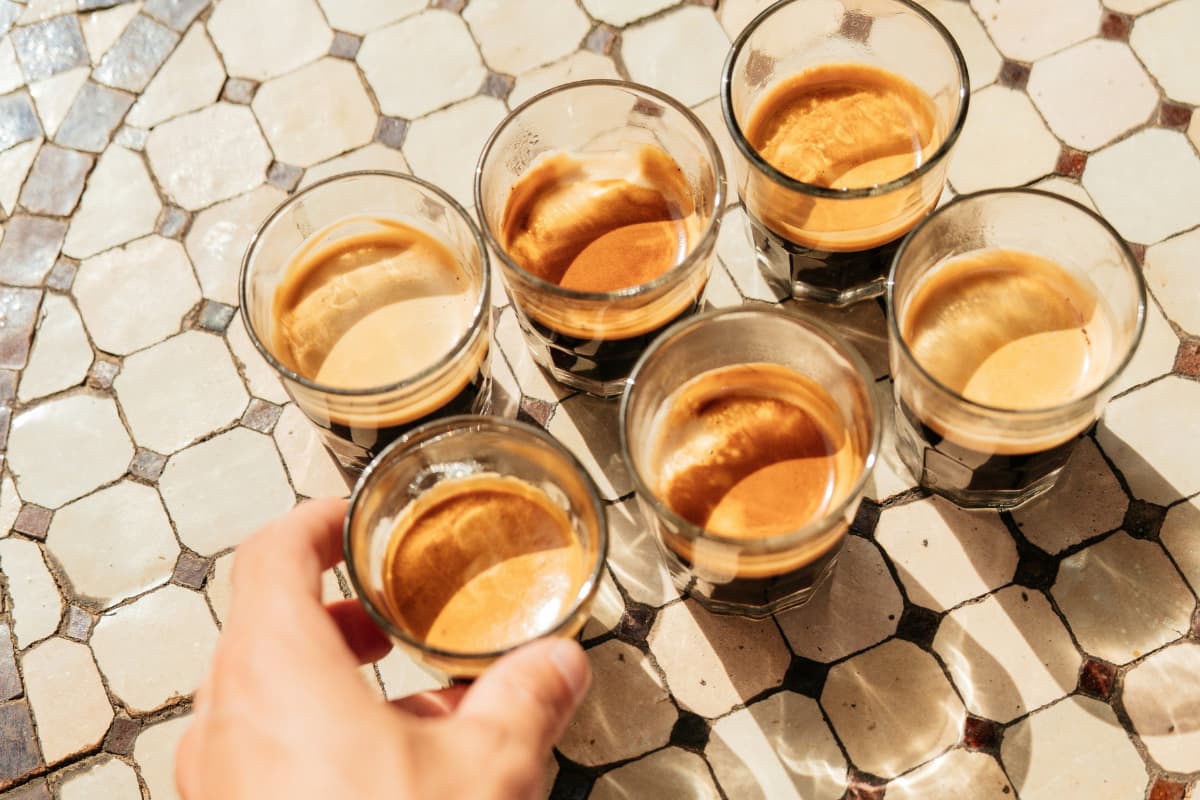
Pre-batch espresso is simply espresso that's pulled ahead of time and stored cold until needed. The extraction process is the same. It's used to create your favourite espresso based drinks on demand while improving cafe workflow, consistency, and speed.
Pulling espresso becomes prep, rather than a bottleneck in service during peak hours.
Does Pre-Batch Espresso Taste as Good as Fresh?
In coffee, we talk about freshness a lot. Pre-batch espresso flies in the face of that. But freshness isn't everything.
Zest Coffee (an award-winning roaster in Australia) summed it up perfectly: fresh espresso made badly is not better than pre-batched espresso made well.
It's very difficult to pull perfect shot after perfect shot when there's a line of customers out the door. This isn't a criticism of baristas. It's just the reality. Machines overheat. Indoor humidity levels change. The best grind size changes. Shots run too fast or too slow.
When espresso is treated as prep, extraction happens away from peak hours. Baristas are able to dial in properly, perform taste tests, make adjustments, check for channeling, and reject bad shots.
Because pre-batch espresso contains a variety of shots, the sum becomes the average. What does this mean? Slightly under-extracted shots are balanced out by slightly over-extracted shots.
The end result? A better, more balanced concentrate.
When Valor Coffee posted a viral blind taste test comparing pre-batch and fresh espresso in flavoured iced lattes, there was almost no difference. Both tasted great.
Does Pre-Batch Espresso Belong in the Automation Debate?
If you're thinking that pre-batching espresso isn't a true form of coffee automation because the shots are still pulled manually… then you're right, technically. However, the goal is still the same: serve customers faster without diminishing espresso quality.
Pre-batch espresso also faces some of the same criticisms as automation. Does the end result taste the same? Does it diminish the perceived value of the drink in the eyes of the customer?
That's why we believe pre-batch espresso fits into this topic.
For some cafes, pre-batch espresso might actually be an alternative to a fully automated espresso machine. Instead of letting machines dispense espresso with minimum human input, pre-batching is hands-on. Barista skill and knowledge remain essential. After all, they're the ones dialling in and then pulling the shot—making sure grind size, dose size, extraction time, ratio, and taste are all spot on.
Pre-batching espresso doesn't eliminate barista skill. It simply moves it from peak service to prep.
How Automation Has Changed Craft Coffee (A Brief History)
Automation in coffee isn't a new concept. Many of the steps that we take for granted today are actually examples of earlier automation. Only we're so used to doing them a certain way that we forget it wasn't always like this—like taking orders, for instance.
A couple decades ago, orders were written down manually, everyone paid with cash, and baristas needed to be skilled with handling cash.
Now, orders are taken digitally and transmitted remotely to the bar. You pay for your coffee with a quick tap of your credit card. Some cafes don't even accept cash any longer (but we do! Don't worry.)
Automation means change but, in many cases, that change has actually led to a better experience for customers and a tastier end result.

Smart Grinders
On-demand grinders and single dose grinders have many automatic features that improve grind and dose consistency while minimizing grind retention, oxidation, and delays.
Baristas used to manually weigh and load each dose, which was both slow and less effective.
In order to extract great espresso, you need a uniform grind. All the particles must be the same size to avoid channeling—aka, under-extracted and over-extracted areas. If you want consistency from shot to shot, you need repeatable grind settings and dose sizes. Plus, coffee beans should be protected from oxidation before they're ground.
Automation helps—a lot.
Automatic Espresso Tampers
Espresso extraction is all about minimizing variables and establishing repeatability. Automatic espresso tampers remove one more variable, helping to keep shots consistent and balanced.
Manual tamping pressure naturally varies from person to person and tamp to tamp, leading to inconsistencies in espresso extraction. Even the same barista probably won't be tamping with the same force at the start of a rush as at the end.
Automatic tampers apply identical pressure and levelling for every shot. They also save baristas from wrist, elbow, and shoulder strain caused by thousands of manual tamps each week.
Modern Espresso Machines
In many ways, espresso is a story of automation. The very first espresso machine in 1901 mechanised coffee brewing using steam pressure, which was revolutionary. Since then, technology has continued refining the extraction process in pursuit of a tastier, faster, and more balanced brew.
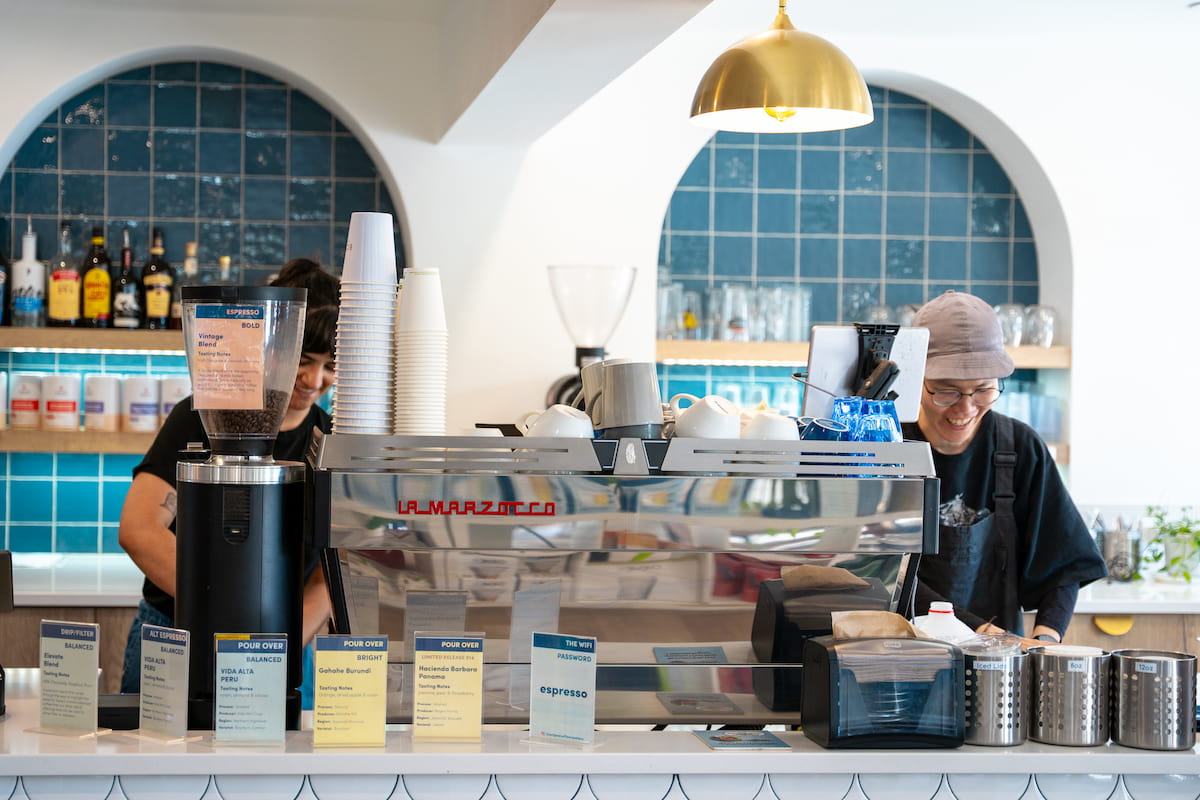
Modern commercial espresso machines are built with incredibly advanced coffee technology. Most of the extraction process, which used to depend almost entirely on manual skill, is now automated. From temperature control to pressure profiles, automatic pre-infusion and independent multi-boiler systems, these machines are modern marvels. Without them, modern cafes would not exist.
Automatic Milk Steamers
Commercial automatic milk steamers, like Ubermilk, are a relatively recent phenomenon. They use programmable settings to heat milk to a precise temperature and create the microfoam needed to pour beautiful latte art. Although these machines are still a rare sight in cafes, who knows what the future might hold.
Automatic milk steamers may be the secret to shortening the training curve for new baristas and reducing milk wastage.
Different Perspectives on a Complicated Topic
So, is automation a good thing or a bad thing? The short answer is… it depends. It depends on what type and degree of automation we're talking about, what coffee means to you, and your personal values.
The Customer Perspective
As a customer, are you passionate about the intricacies of espresso extraction or do you just love a good caffeine buzz? Basically, do you nerd out on puck preparation, bean origin, ratios, pre-infusion, and pressure profiles… or do you just need a delicious and quickly prepared vanilla ice latte?
There's no wrong answer, but it likely affects how you feel about automation.
For many customers, what defines a happy stop at the coffee shop is friendliness, speed, and taste. You want an enjoyable coffee that's made quickly by amiable baristas. Complete automation doesn't ruin this experience, in fact, it probably makes it better. The iced latte tastes just as good, and it was in your hands faster.
But for our die-hard specialty coffee lovers, automation can feel like a travesty. You're okay with waiting a bit longer, if it means that your espresso is extracted with the attention, skill, and precision that only highly trained baristas equipped with top tools can provide.
For some customers, automation begs the question—if barista skill no longer matters, and I can just make this at home, what am I paying for?

The Barista Perspective
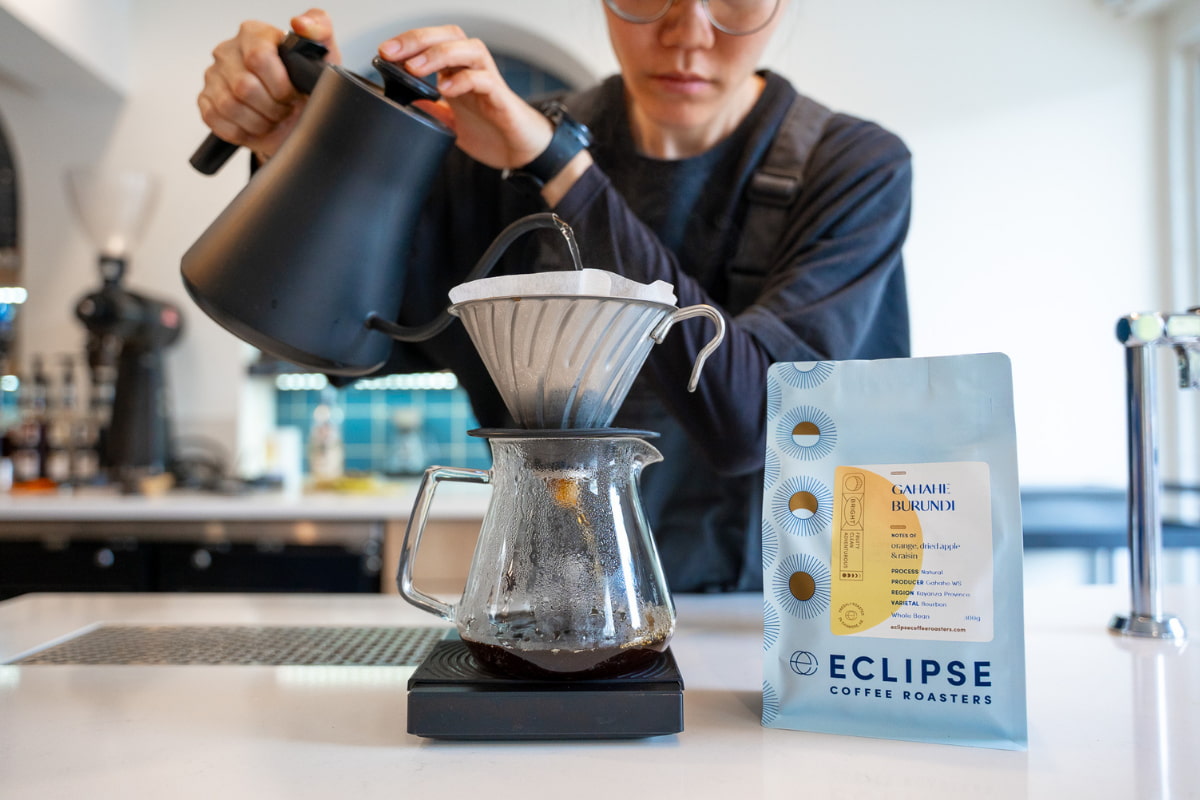
Most of the advancements in brew tech have not replaced baristas. The workflow changes slightly, but it doesn't negate the need for skill. Pre-batching espresso is a great example of this. Baristas still need to be able to pull delicious shots, or else the pre-batch will not taste good for customers.
Coffee is a craft that requires a lot of skill. No one knows this better than baristas. From understanding how grind size affects extraction to knowing how to steam milk to the ideal temperature for the perfect amount of sweetness, much of the joy of coffee making comes down to the details. It's about knowing why something works and how to do it, not just once but again and again and again.
Baristas love the process. Automation threatens the learned skill of creating coffee, replacing craft with button pushing.
Learning to pull good shots, refining your palette, getting the milk to vortex just right, and pouring beautiful art—these aren't just valuable skills, they're what make the work meaningful.
The Cafe Perspective
Cafes are always trying to balance customer service and wait times with creating the highest quality drinks. Throw in sustainability… and it's a complicated equation.
So it's impossible to ignore the benefits of automating some parts of our process. Automation (from pre-batch espresso to fully automatic espresso machines and milk dispensing stations) makes it easier to serve customers who simply want a fast, iced coffee that tastes good. They're not as invested in the craft. They're not judging a drink by its tasting notes, but by how quickly they received it.
If the customer is happy, then the cafe is happy.
Automation is also a shortcut to consistency. Baristas aren't machines; they're people. And human involvement always introduces variables. Dosing, distribution, tamping, milk steaming, and pouring can vary the tiniest amount from cup to cup—by no fault of the barista. But these variables compound, and they lead to inconsistencies in the end result.
Is a Hybrid of Craft and Automation the Future of Coffee?
Truthfully, the hybrid model already exists. Automation and manual skill are part of every modern cafe, including ours!
But does the future have even more automation? Or maybe even fully automated cafes? Will baristas be replaced entirely by robots?!
Let's not get ahead of ourselves.
The coffee industry is constantly evolving. That part isn't going to change.
Will there be more automation in the future? Probably. Will you be picking up your iced latte from a robot? Probably not anytime soon.
And you, the customer, have a big say in the future of coffee. Your voice, preferences, and values matter. The world of coffee becomes fuller and richer with more passionate people in it. So get more involved in the process, chat with your barista, learn about espresso, and continue supporting local specialty coffee shops and roasteries like Eclipse.
We're listening.

Where We Stand on Automation at Eclipse
As a specialty coffee shop, we strive to provide a product and experience that cannot be replicated by a massive chain, gas station, or home machine. This is only possible because of our highly knowledgeable and trained staff, investment in our bean sourcing and roasting processes, and integration of the best technologies.
Our goals are simple. We want to provide the best experience for our customers, create the highest quality coffee, take care of our staff, and find ways to be more sustainable for the planet.
In some cases, automation makes these aims easier to achieve.
POS systems make service faster with fewer mistakes. Automatic tamping reduces physical strain on our baristas. Automatic dosing ensures consistency for a tastier shot. And we simply could not do what we do without our espresso machines.
We're always open to new ways of serving you better. Sometimes, that looks like incorporating pre-batch espresso into our workflow for iced drinks on the busiest summer days.
Balancing craft and convenience isn't easy, but it's a challenge we're embracing.
FAQ: Coffee Automation and Pre-Batch Espresso
What is coffee automation?
Coffee automation includes all of the technological advancements intended to make it easier and faster to prepare more consistent espresso. It can range from smart grinders and automatic tampers to advanced espresso machines, milk steamers, digital ordering systems, and even pre-batch espresso.
Why are more coffee shops using pre-batch espresso?
Pre-batch espresso helps cafes serve drinks faster without (necessarily) sacrificing quality. By pulling espresso ahead of peak hours, baristas have more time to dial in recipes, taste test, and maintain consistency across shots. For many busy cafes, it's a practical way to reduce wait times while still delivering delicious drinks.
What coffee-making tasks can be automated?
Many aspects of coffee making have been or can be automated. These include grinding, dosing, espresso extraction, milk steaming, ordering, and payment. Cafes can use these technologies to improve consistency, reduce waste, and speed up service.
Can automation improve coffee quality?
It can. Automation reduces many of the small variables that affect quality, helping produce more reliable results from drink to drink. That said, technology is only as good as the people using it. The best cafes combine modern equipment with knowledgeable baristas to create coffee that's both consistent and delicious.
Can AI make a better espresso than your barista?
The answer is, it depends.
If your love of coffee is tied to the café experience and the authenticity of every part of the process passing through human hands, then probably not. But if you drink coffee for the caffeine, or maybe you just love the ritual and don't care how it's done as long as it's efficient and tastes consistent, then maybe it can.
Whatever side of the automation debate you land on, great coffee starts with great beans. Stop by Eclipse and taste what careful, human-crafted roasting can do.